

Unwind and Adapt: Why Yin and Restorative Yoga Are Perfect for Complete Beginners
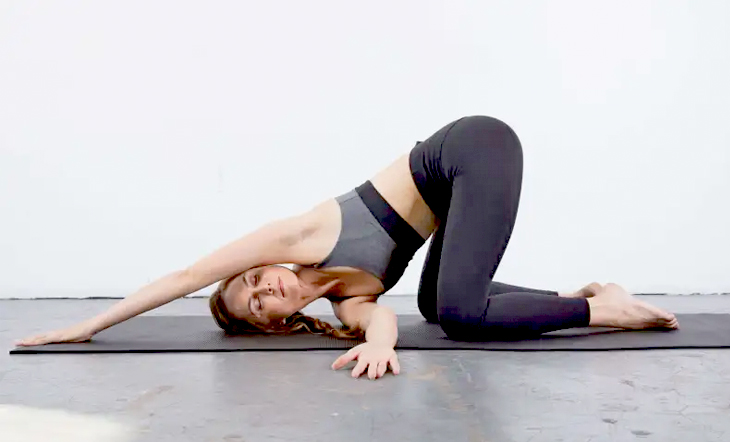
In our fast-paced, high-stress world, yoga is often marketed as a practice of intense flexibility and complex inversions. For beginners, looking at photos of advanced practitioners twisted like pretzels can be deeply intimidating. However, yoga is not a one-size-fits-all discipline. If you are seeking stress relief, flexibility, or a gentle entry point into mindfulness, two specific styles stand out for their ultimate accessibility: Yin Yoga and Restorative Yoga.
While they look similar on the surface, these two practices target completely different systems in the body. Understanding their unique benefits will show you why they are the most welcoming, beginner-friendly styles available today.
Yin Yoga: Gently Stretching the Deep Tissue
Yin Yoga focuses on the deep, cooler connective tissues of the body—specifically your ligaments, joints, deep fascial networks, and bones. Unlike active “yang” styles (like Vinyasa or Power Yoga) that work your muscles, Yin targets the areas we often neglect.
- The Practice: You will hold passive floor poses for three to five minutes.
- The Sensation: You will feel a dull, healthy, and targeted stretch.
- The Beginner Benefit: There is absolutely no flow, no jumping, and no balancing on one leg. You spend the entire class on your mat, allowing gravity to do the heavy lifting. It teaches beginners how to listen to their bodies and find their edge without pushing into pain.
Restorative Yoga: Training the Body to Rest
If Yin Yoga is a gentle stretch, Restorative Yoga is a conscious nap. This style is not about stretching at all; it is about absolute comfort and deep relaxation. It was specifically designed to heal the nervous system from the chronic stress of modern life.
- The Practice: You will hold heavily supported poses for five to ten minutes (or longer).
- The Sensation: You should feel completely weightless, warm, and entirely supported.
- The Beginner Benefit: Restorative yoga relies heavily on props like bolsters, blankets, and blocks. If a limb cannot comfortably reach the floor, you simply bring the floor to the limb using a prop. It requires zero baseline flexibility, strength, or stamina, making it completely accessible to anyone of any age, size, or physical ability.
Essential Gear: Investing in Your Practice
To get the most safety, comfort, and stability out of these slower styles, investing in a few high-quality, dedicated yoga props is highly recommended. These specialized tools are designed specifically to support your anatomy during long holds:
- High-Density Yoga Mat: A thick, non-slip mat provides essential joint cushioning for your knees, spine, and elbows during floor poses.
- Firm Yoga Bolster: A dense, rectangular or cylindrical bolster is the ultimate comfort tool, perfectly designed to support the entire length of your spine or torso.
- Foam or Cork Yoga Blocks: A pair of sturdy blocks helps bring the floor closer to you, reducing strain in tight areas like your hips and shoulders.
- Woven Yoga Blanket: Unlike standard bedding, thick cotton or wool Mexican-style yoga blankets can be tightly folded or rolled to give firm, customized support under your joints.
How to Incorporate It Into a Busy Life
The greatest misconception about yoga is that it requires a full 60-minute studio commitment. When life gets chaotic, you can easily thread these slower styles into your existing routine:
- The Bedroom Routine: Keep your bolster and mat right next to your bed. Spend just 5 to 10 minutes in a single restorative pose right before sleeping to completely shut down your active mind.
- The Desk Break: If you sit all day, schedule a 5-minute Yin stretch using your blocks right after work to release tight hips and decompress your lower back.
- The Micro-Session: Remember that doing just one single pose for three minutes is still a complete, successful yoga practice. Drop the “all-or-nothing” mentality.
Join Our Online Wellness Community!
You do not have to embark on your wellness journey alone. If you are ready to slow down, reduce anxiety, and learn how to feel good in your own skin, we are here to support you. [Click here to join our online wellness community today!] Inside, you will gain immediate access to gentle beginner-friendly video flows, daily mindfulness tips, and a warm, judgment-free space of like-minded individuals cheering you on. Your mat is waiting—join us now!
You said: rewrite it to add a few benefits of each practice
Unwind and Adapt: Why Yin and Restorative Yoga Are Perfect for Complete Beginners
In our fast-paced, high-stress world, yoga is often marketed as a practice of intense flexibility and complex inversions. For beginners, looking at photos of advanced practitioners twisted like pretzels can be deeply intimidating. However, yoga is not a one-size-fits-all discipline. If you are seeking stress relief, flexibility, or a gentle entry point into mindfulness, two specific styles stand out for their ultimate accessibility: Yin Yoga and Restorative Yoga.
While they look similar on the surface, these two practices target completely different systems in the body. Understanding their unique benefits will show you why they are the most welcoming, beginner-friendly styles available today.
Yin Yoga: Gently Stretching the Deep Tissue
Yin Yoga focuses on the deep, cooler connective tissues of the body—specifically your ligaments, joints, deep fascial networks, and bones. Unlike active “yang” styles (like Vinyasa or Power Yoga) that work your muscles, Yin targets the areas we often neglect.
- The Practice: You will hold passive floor poses for three to five minutes.
- The Sensation: You will feel a dull, healthy, and targeted stretch.
- The Beginner Benefit: There is absolutely no flow, no jumping, and no balancing on one leg. You spend the entire class on your mat, allowing gravity to do the heavy lifting. It teaches beginners how to listen to their bodies and find their edge without pushing into pain.
- Key Benefits:
- Increases Flexibility: Safely lengthens the tight connective tissues around your joints.
- Improves Circulation: Boosts the flow of blood and joint lubrication (synovial fluid) for better mobility.
- Releases Blocked Emotion: Safely unburdens emotional stress and tension stored deeply within the body’s fascial layers.
Restorative Yoga: Training the Body to Rest
If Yin Yoga is a gentle stretch, Restorative Yoga is a conscious nap. This style is not about stretching at all; it is about absolute comfort and deep relaxation. It was specifically designed to heal the nervous system from the chronic stress of modern life.
- The Practice: You will hold heavily supported poses for five to ten minutes (or longer).
- The Sensation: You should feel completely weightless, warm, and entirely supported.
- The Beginner Benefit: Restorative yoga relies heavily on props like bolsters, blankets, and blocks. If a limb cannot comfortably reach the floor, you simply bring the floor to the limb using a prop. It requires zero baseline flexibility, strength, or stamina, making it completely accessible to anyone of any age, size, or physical ability.
- Key Benefits:
- Calms the Nervous System: Shifts your body out of “fight-or-flight” mode and directly into the healing “rest-and-digest” state.
- Improves Sleep Quality: Lowers cortisol (stress hormone) production to help you fall asleep faster and stay asleep longer.
- Enhances Deep Recovery: Boosts your immune system and speeds up natural healing by allowing the body to fully surrender.
Essential Gear: Investing in Your Practice
To get the most safety, comfort, and stability out of these slower styles, investing in a few high-quality, dedicated yoga props is highly recommended. These specialized tools are designed specifically to support your anatomy during long holds:
- High-Density Yoga Mat: A thick, non-slip mat provides essential joint cushioning for your knees, spine, and elbows during floor poses.
- Firm Yoga Bolster: A dense, rectangular or cylindrical bolster is the ultimate comfort tool, perfectly designed to support the entire length of your spine or torso.
- Foam or Cork Yoga Blocks: A pair of sturdy blocks helps bring the floor closer to you, reducing strain in tight areas like your hips and shoulders.
- Woven Yoga Blanket: Unlike standard bedding, thick cotton or wool Mexican-style yoga blankets can be tightly folded or rolled to give firm, customized support under your joints.
How to Incorporate It Into a Busy Life
The greatest misconception about yoga is that it requires a full 60-minute studio commitment. When life gets chaotic, you can easily thread these slower styles into your existing routine:
- The Bedroom Routine: Keep your bolster and mat right next to your bed. Spend just 5 to 10 minutes in a single restorative pose right before sleeping to completely shut down your active mind.
- The Desk Break: If you sit all day, schedule a 5-minute Yin stretch using your blocks right after work to release tight hips and decompress your lower back.
- The Micro-Session: Remember that doing just one single pose for three minutes is still a complete, successful yoga practice. Drop the “all-or-nothing” mentality.
Join Our Online Wellness Community!
You do not have to embark on your wellness journey alone. If you are ready to slow down, reduce anxiety, and learn how to feel good in your own skin, we are here to support you. [Click here to join our online wellness community today!] Inside, you will gain immediate access to gentle beginner-friendly video flows, daily mindfulness tips, and a warm, judgment-free space of like-minded individuals cheering you on. Your mat is waiting—join us now!